The two Hiluxes you'll find on the used market
The seventh generation (2005 to 2016). Badged D-4D. The diesels are the 2.5 D-4D and the 3.0 D-4D. There were also 2.7 and 4.0 V6 petrols. Simple, tough and still everywhere.
The eighth generation (2016 to now). Badged GD-6. The diesels are the 2.4 GD-6 and the 2.8 GD-6. It was updated in 2018, again in 2020 with more power for the 2.8, and in 2024, when a mild-hybrid 2.8 arrived.
2.4 or 2.8 GD-6?
This is the question most Hilux buyers get stuck on.
- 2.4 GD-6: 110 kW and 400 Nm. Plenty for work, town driving and light towing. Cheaper to buy and a little lighter on fuel.
- 2.8 GD-6: 130 kW and 450 Nm before the 2020 update, and 150 kW and 500 Nm after it. Pick this if you tow a caravan or boat, carry heavy loads, or want the automatic. The extra pull makes a real difference on a loaded trip up a long pass.
If you mostly drive alone in town, the 2.4 is the sensible buy. If the bakkie works for a living or goes on holiday with a trailer, spend the extra on the 2.8.
What does GD-6 mean?
GD is the name of Toyota's newer diesel engine family that arrived with the 2016 Hilux. The 2.4 is the 2GD engine and the 2.8 is the 1GD. The older D-4D engines it replaced are the 2KD (2.5) and the 1KD (3.0). You'll see these codes on parts and in service records.
Buying a 2017 or 2018 Hilux
These are among the most searched Hilux years, because they're the cheapest way into the newer shape. They're good bakkies, with one thing to know about.
Early 2.8 GD-6 models use a diesel particulate filter (DPF) that needs to clean itself on a decent run at speed. A bakkie that only ever does short trips in town can struggle to do that, which leads to warning lights and trips to the dealer. Toyota improved the system over time, and later models have a manual DPF clean button.
What to do about it:
- Ask how the bakkie was used. Highway kilometres are good news here.
- Look in the service history for DPF-related work and ask what was done.
- On the test drive, watch for a DPF warning light or the car going into limp mode.
The 2.4 uses a simpler setup and is less fussy about short trips.
The 3.0 D-4D: still worth buying?
Yes, if you find a good one. The 3.0 D-4D is torquey and simple, and a lot of people swear by it. Two things to check:
- Injectors. Listen for a chuffing or ticking sound from the top of the engine and look for black soot around the injectors. That points to leaking injector seals, which are worth fixing early.
- Smoke. A bit of smoke under hard acceleration is normal for an older diesel. Blue smoke, or a lot of smoke at idle, is not.
If you're looking at a 3.0 D-4D, budget for a diesel specialist to look at it before you buy.
What to check on any used Hilux
A Hilux can do 300,000 km with a good owner. What matters is how it lived those kilometres.
- Service history. On time, every time, with proper diesel oil. Skipped services cause sludge in these engines, and that kills turbos.
- The load bin. Deep dents, scrapes and a cracked bin liner tell you it worked hard. Not a dealbreaker, but price it in.
- Towbar wear. A shiny, worn towball means regular towing. Check the clutch and gearbox more carefully.
- Leaf springs. Look at the bakkie from the side when it's empty. A sagging rear means tired springs.
- Underneath. Scrapes on the sump guard and chassis show off-road use. Check for rust if it lived at the coast.
- Turbo. A loud whistle or whine under acceleration is worth a mechanic's opinion.
- Automatic gearbox. Shifts should be smooth. Slipping or harsh changes can mean old fluid or worse.
- 4x4 system. Engage high and low range on the test drive. They should go in without grinding.
Our full used car checklist covers the paperwork and the rest of the car.
Check the Hilux is what the seller says it is
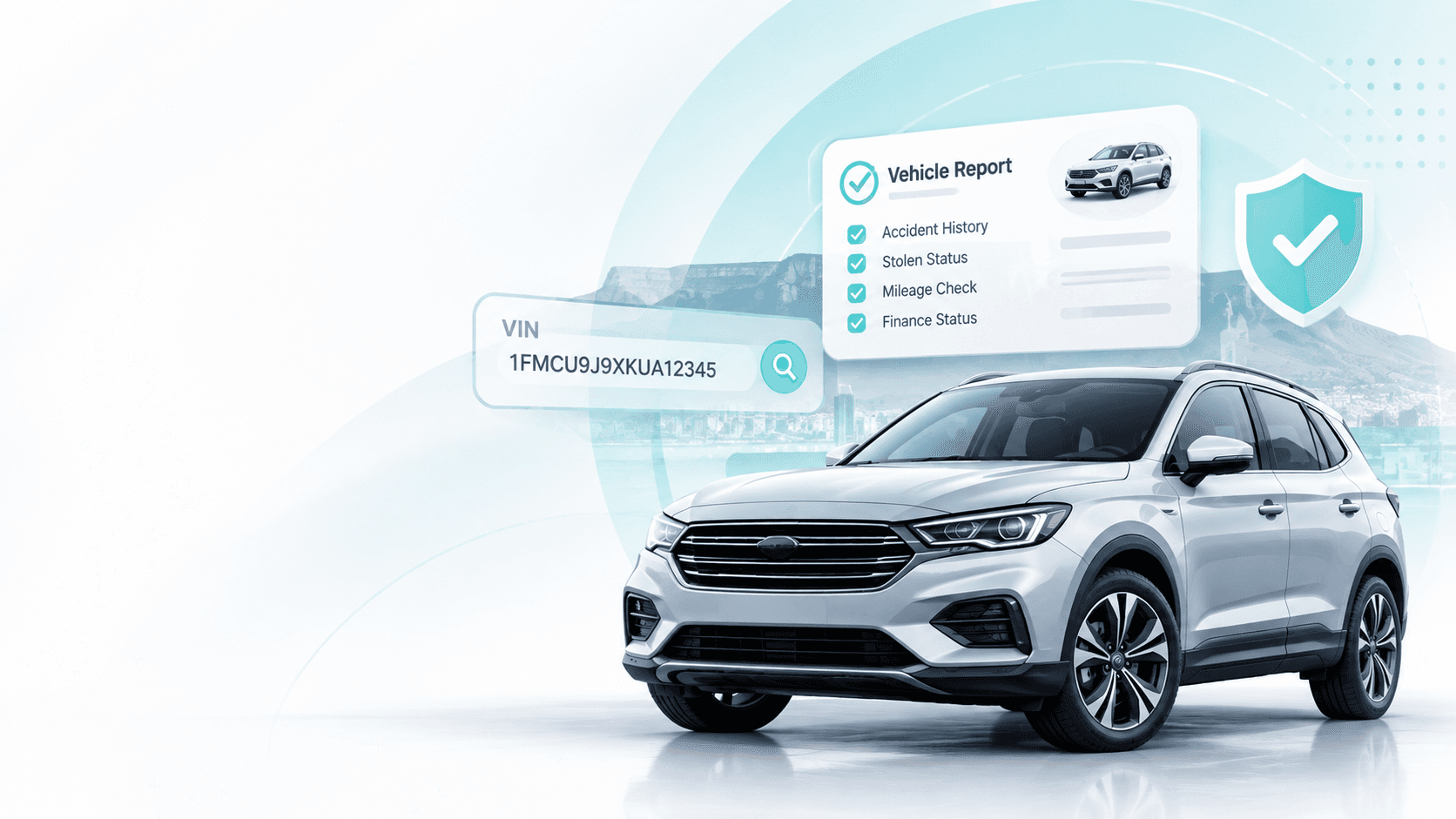
Because there are so many Hiluxes on the road, they're a favourite for criminals cloning number plates. Make sure the VIN on the chassis, the windscreen and the registration papers all match. Hiluxes built in South Africa have a VIN starting with AHT. Use our Toyota VIN decoder to confirm the year and model, and read what a VIN number is if you're not sure where to look.
Then run a history check before you pay. Here's how to check if a car is stolen.
Which Hilux holds its value best?
Double cabs hold value better than single cabs, and Raider and Legend models are the easiest to resell. 4x4s are worth more in farming areas. A Hilux with full service history and one owner will always find a buyer, which is why it's worth paying a little more for one.
The short version
- Town driving: a 2.4 GD-6 is the smart buy.
- Towing, heavy loads or an auto: go 2.8 GD-6, ideally 2020 or later.
- Older 3.0 D-4D: good value, but get a diesel specialist to look at it first.
- On any Hilux, check the service history, the springs, the towbar, underneath and the VIN.