What is a roadworthy certificate?
A roadworthy certificate (officially a Certificate of Roadworthiness) is a document from a registered vehicle testing station. It says your car met the minimum safety standards on the day it was tested. It is not a mechanical report and it doesn't say anything about the engine's health. It's a safety check.
When do you need one?
You don't need a roadworthy to renew your licence disc every year. You do need one when:
- The car changes owners and the last roadworthy is more than 60 days old. This is the one that catches most people.
- A written-off car is rebuilt and goes back on the road. A Code 3 car needs a roadworthy, and usually a police clearance, before it can be registered again.
- A traffic officer orders the car off the road because something on it isn't safe. You fix it, then it needs a roadworthy before you can drive it legally again.
- A car is registered in South Africa for the first time after being registered somewhere else.
- It's a vehicle that carries paying passengers, like a taxi or bus. These need one every year.
If you're selling privately, the buyer will need a valid roadworthy to register the car in their name. Here's how to transfer car ownership step by step.
How long is a roadworthy valid?
For a change of ownership, the certificate must be less than 60 days old when the buyer registers the car. The buyer then has 21 days from the sale to register it. If you get the roadworthy too early and the sale drags on, you'll be paying for a second one.
Where can I get a roadworthy certificate?
At any registered vehicle testing station. There are two kinds:
- Government testing stations run by the province or municipality. Usually cheaper, often slower, and you may need to book.
- Private testing stations. Usually quicker, sometimes open on Saturdays, and they cost more.
Prices vary by station and province, so phone two or three before you go. Ask what a retest costs too, and whether you get a cheaper retest if you come back within a set number of days.
What do they check in a roadworthy test?
The examiner works through the whole car. Expect them to check:
- Brakes: on a roller tester, including whether the car pulls to one side and whether the handbrake holds.
- Tyres: at least 1 mm of tread across the whole tyre, no cuts or bulges, and the same size on each axle.
- Lights: headlights (high and low), brake lights, indicators, reverse lights and the number plate light.
- Steering and suspension: play in the steering, worn ball joints, leaking shocks.
- Windscreen and wipers: no cracks in the driver's line of sight, wipers that clear the glass, washers that spray.
- Seatbelts: every belt must lock and retract.
- Exhaust: no leaks, no heavy smoke.
- Leaks: oil, fuel or brake fluid dripping from the car.
- Body: no rust holes, sharp edges or loose panels.
- Hooter, mirrors and speedometer: all working.
- Identity: the VIN and engine number must match the registration papers. If they've been tampered with or can't be read, the car will need a police clearance first. Here's what a VIN number is and where to find it.
Why cars fail
Most fails are small, cheap things that the owner stopped noticing:
- A blown number plate light or brake light
- Tyres worn on the inside edge, where you can't see them
- A stone chip that has turned into a crack across the windscreen
- Wipers that smear
- A seatbelt in the back that doesn't retract
- Brakes that pull to one side
Walk around the car with someone pressing the brake pedal and flicking through the lights. It takes five minutes and catches half the usual fails.
What happens if your car fails?
You'll get a list of what failed. Fix those items and take the car back for a retest. Only the failed items are usually checked on a retest, but ask the station how they do it.
What does a roadworthy certificate look like?
It's a printed certificate from the testing station with:
- The testing station's name and registration number
- The car's registration number, VIN and engine number
- The date of the test
- The examiner's name and signature
If you're buying, check the VIN on the certificate against the VIN on the car and on the registration papers. All three must match. Fake certificates do get sold, where the car never went near a testing station. If something looks off, phone the testing station and ask them to confirm it.
A roadworthy doesn't mean the car is a good buy
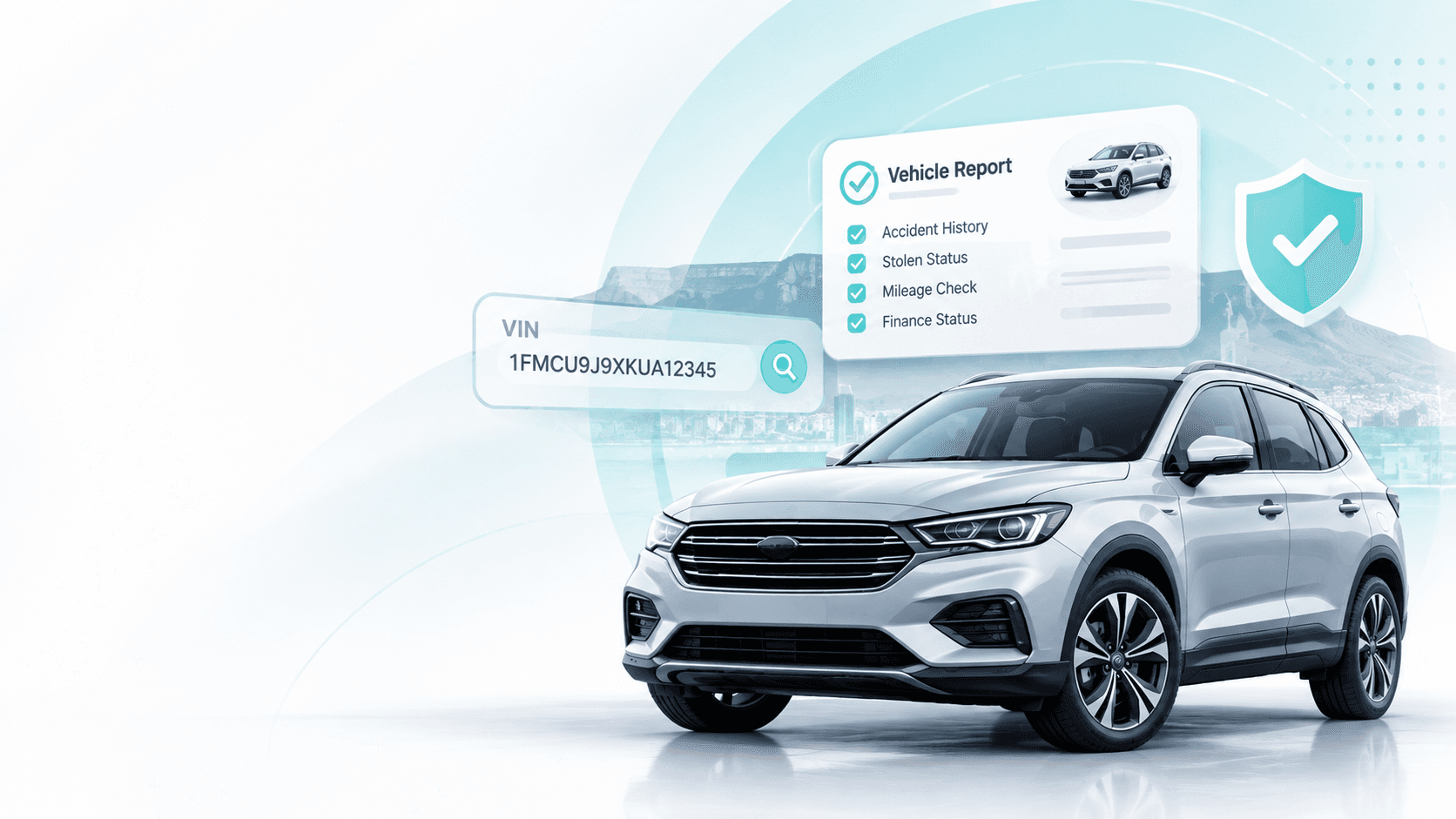
A roadworthy says the car was safe on test day. It doesn't tell you whether it was written off, still has finance, or has had its mileage changed. Do those checks separately. Our used car checklist covers everything to look at, and here's what Code 2, Code 3 and Code 4 mean.
Who pays for the roadworthy?
In a private sale, the seller usually pays, but it's open to negotiation. Dealers include it in the price. If you're buying privately or from a dealer, agree on who pays before money changes hands.