The vehicle codes at a glance
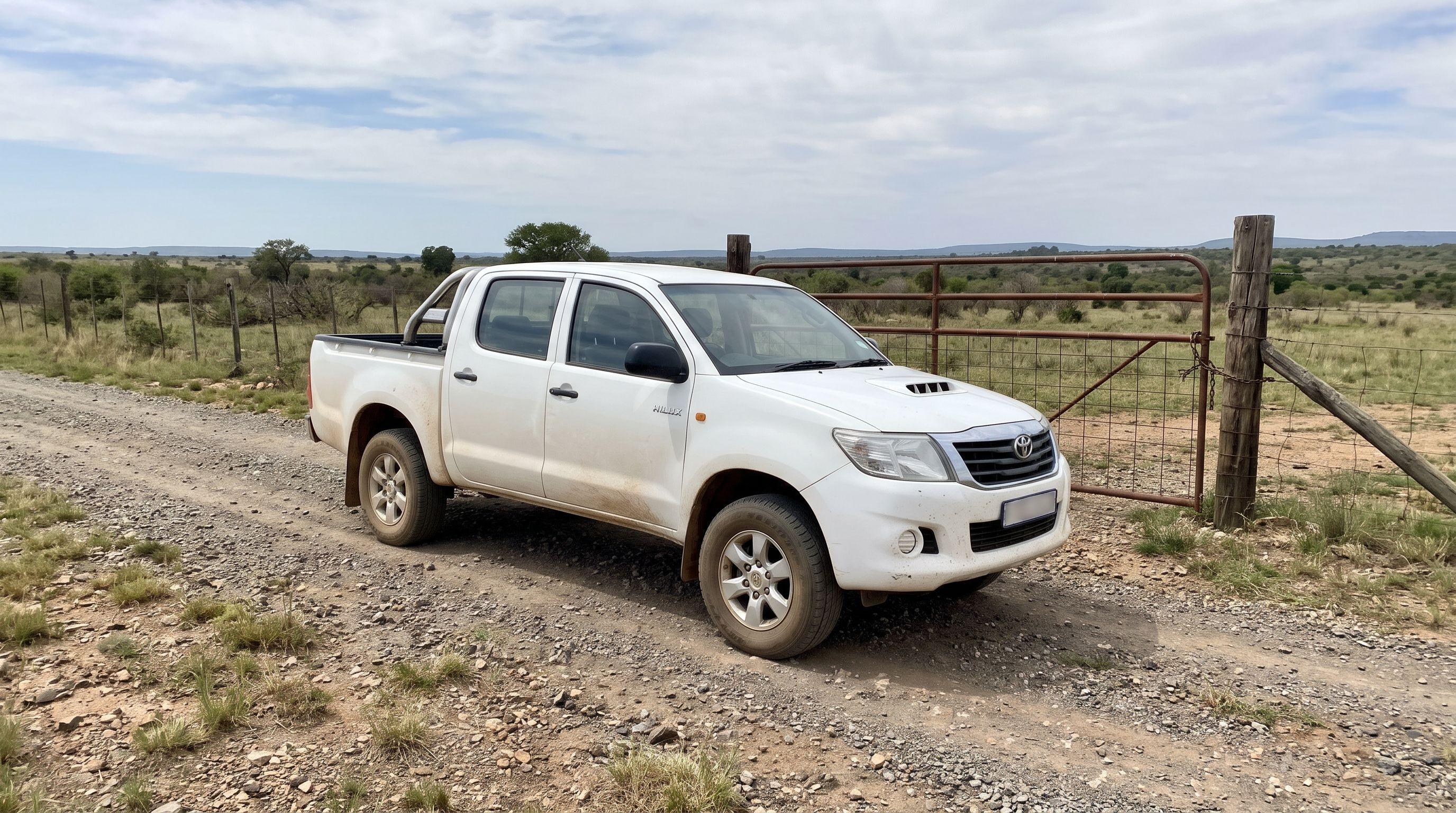
- Code 1, new: a new car with its first owner
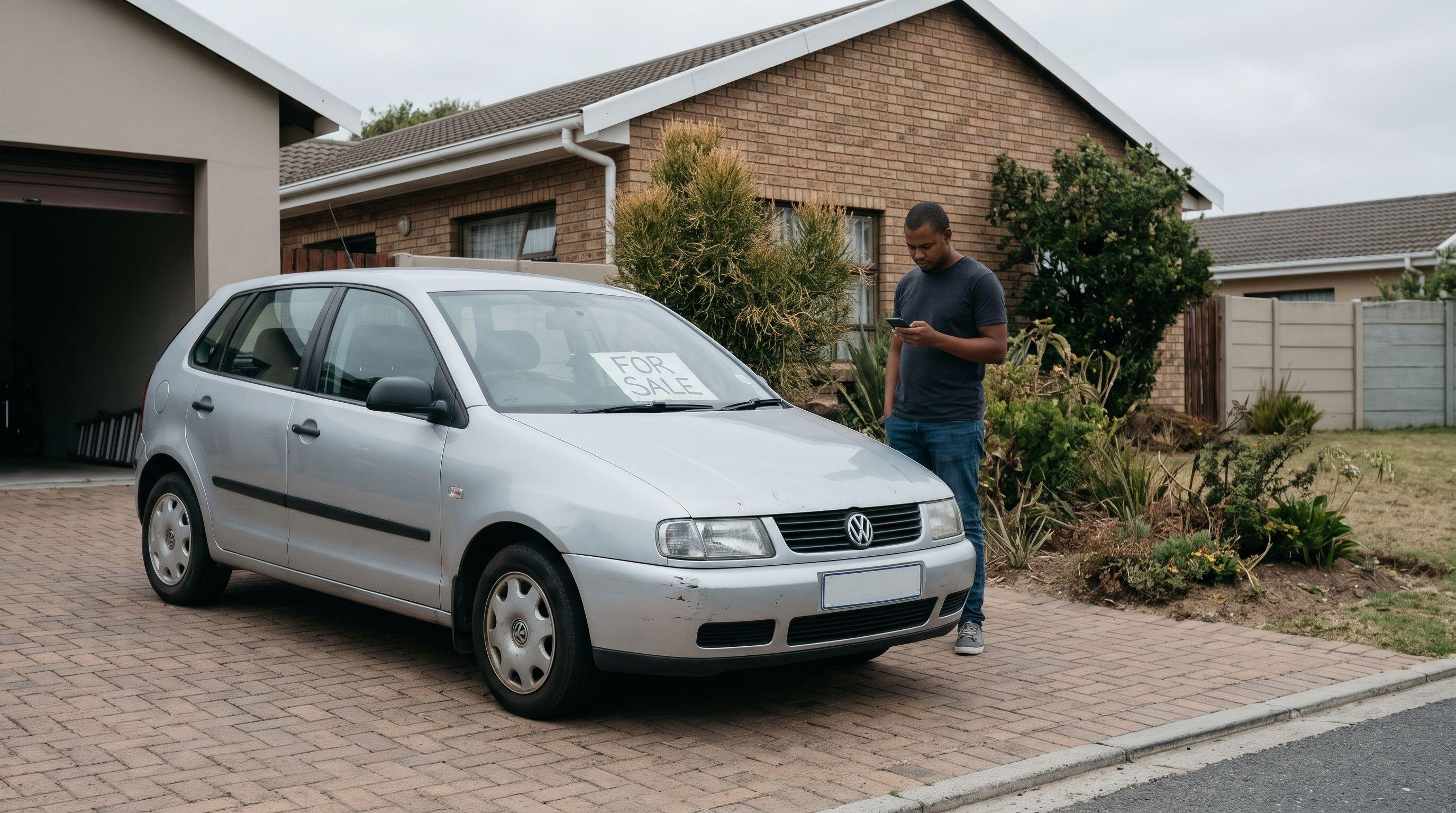
- Code 2, used: any car that has changed owners. This is a normal used car.
- Code 3, rebuilt: a car that was written off after an accident, flood or other damage, then repaired, cleared by police and passed as roadworthy
- Code 3A, parts only: a written-off car that may never go back on the road. It can only be sold for spares.
- Code 4, scrapped: a car that is permanently unfit for the road and can't be registered again
What is a Code 2 vehicle?
Code 2 simply means used. As soon as a car changes owners, it becomes Code 2, whatever its age. Most cars you'll see for sale are Code 2, and they can be financed and insured normally.
What is a Code 3 vehicle?
A Code 3 car was badly damaged and written off by an insurer, then rebuilt. Before it can go back on the road, it has to be cleared by police, to confirm it isn't made from stolen parts, and pass a roadworthy test.
A Code 3 car can be a legal, safe car. But buying one comes with real downsides:
- Lower value: Code 3 cars sell for roughly 50 to 70% of what the same car is worth as Code 2, according to Cars.co.za
- Hard to finance: banks rarely finance Code 3 cars, so you may need a personal loan at a higher interest rate
- Hard to insure: only some insurers cover them, often at a lower value or a higher premium
- Unknown repair quality: you don't know how well it was fixed, so a mechanic's inspection is a must
What is a Code 4 vehicle?
Code 4 means the car is scrapped. It's permanently unfit for the road, can't be registered again, and can only be stripped for parts or crushed. If someone tries to sell you a running car with Code 4 papers, walk away.
What happens to a stolen car that's recovered?
If a stolen car is found with little or no damage, it goes back to its owner or the insurer and stays Code 2. If it was stripped or damaged badly enough for the insurer to write it off, it can only come back on the road as a Code 3, after it's rebuilt, cleared by police and passed as roadworthy.
Why it matters when you buy a used car
Some sellers don't mention that a car is Code 3, and some write-offs are repaired privately and never recorded. You might only find out when your bank won't finance the car, or when you try to sell it later for much less than you paid.
How to check a car's code
- Look at the registration certificate, and ask the seller directly whether the car has ever been written off
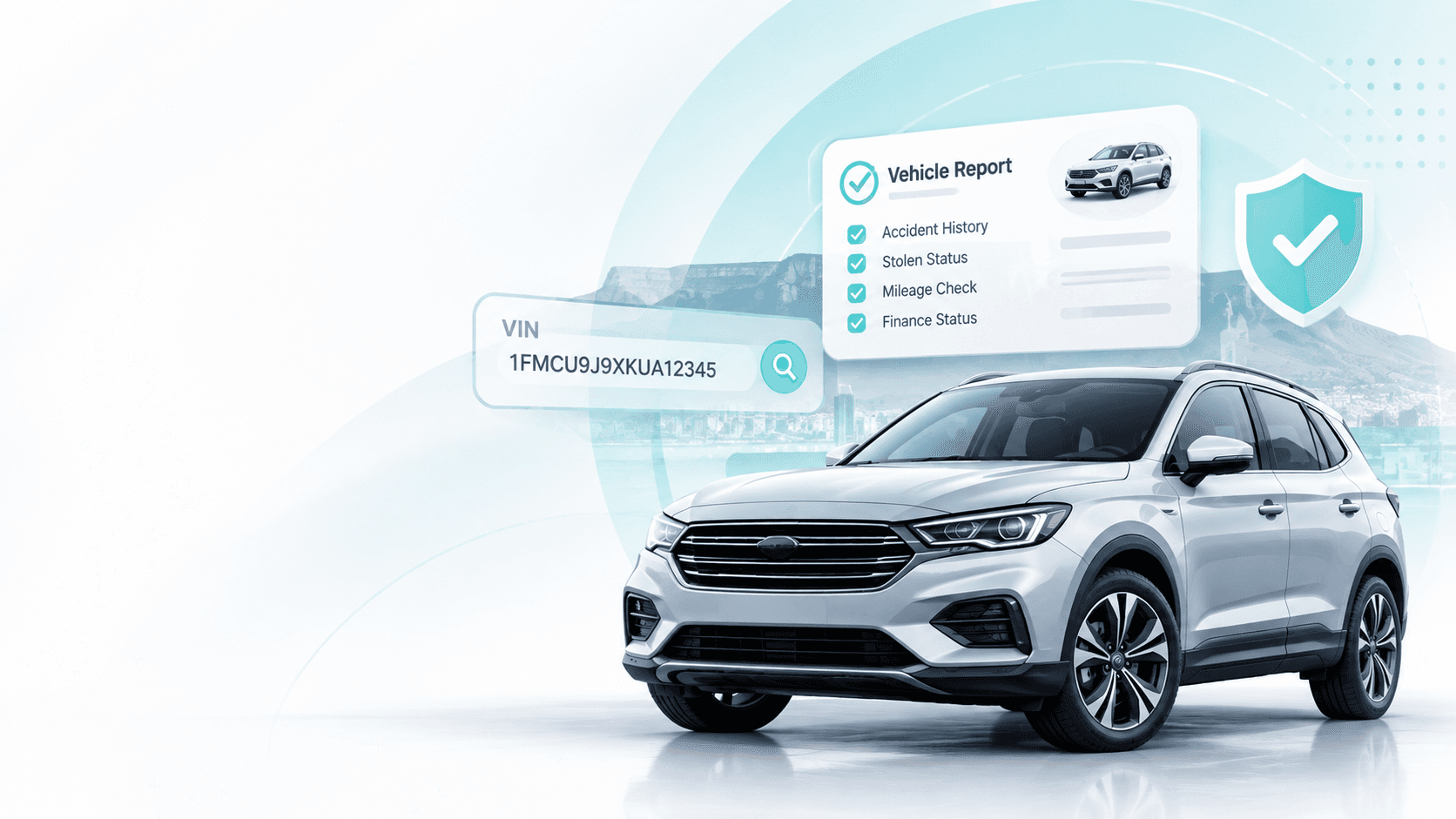
- Run a vehicle history check. A FirstCheck report shows accident and insurance claim history, so you can see if the car has been in a serious accident.
- Check the VIN matches everywhere. A rebuilt car is sometimes put together from more than one car. Here's what a VIN number is and where to find it.
- Get a mechanic to inspect it if there's any sign of major repairs, such as uneven panel gaps, paint that doesn't match, or new welds
For the full set of checks on the day, use our used car checklist. And if anything about the car's identity doesn't add up, read how to check if a car is stolen.
Should you buy a Code 3 car?
Only if the price reflects it, you can pay cash or get a personal loan, you've confirmed you can insure it, and a mechanic has checked the repairs. For most buyers, a Code 2 car is the safer choice. Buying from a dealer gives you more protection if something turns out to be wrong. Compare buying privately or from a dealer.
FAQ
What does Code 3 mean on a car?
It means the car was written off and then rebuilt, cleared by police and passed as roadworthy. It's legal to drive, but it's worth less and harder to finance and insure.
What is a Code 2 vehicle in South Africa?
A normal used car. Any car becomes Code 2 once it has changed owners.
Can you finance a Code 3 car?
Rarely. Most banks won't finance one, so buyers usually pay cash or take a personal loan.