1. The fake repo auction
Scammers copy a real bank's or auction house's logo and post "repossessed" cars at prices that look too good to miss. You're told to pay a reservation fee before the car goes to auction.
Real auctions don't work like that. There's no fixed price, because the highest bid on the day sets it, and you can't reserve a specific car. If someone asks you to reserve one, it's a scam.
2. The deposit scam
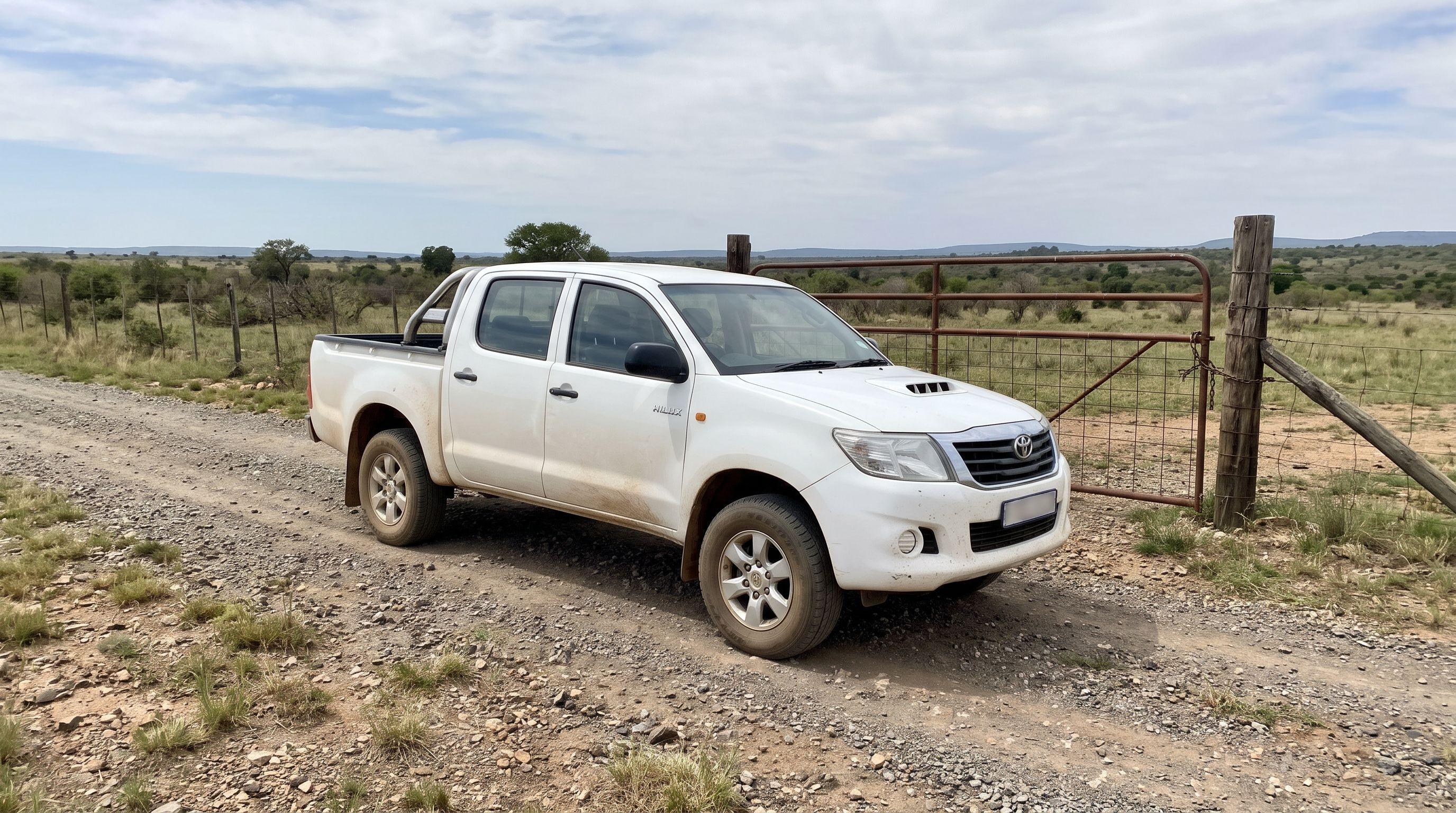
The car is real, but the photos were taken from someone else's advert. The "seller" is overseas, working on a mine, or deployed with the army. They ask for a deposit to hold the car until they're back, then stop answering.
3. The cloned car
This time you can see and drive the car, but it's stolen. It wears the identity of a legitimate car of the same model and colour, with copied plates, VIN plates and papers. Here's how to spot a cloned car.
4. The car that still has finance
The seller still owes the bank. You pay them, they keep the money, and the bank still owns the car. Learn how to check if a car has finance before you pay.
5. The fake courier or escrow service
The seller suggests a "safe" delivery or escrow company to hold your money. The website looks real, but the seller runs it.
Red flags
- The price is far below similar cars on AutoTrader or Cars.co.za
- The seller won't meet at their home, or keeps changing the meeting place
- They push you to WhatsApp and EFT, and say other buyers are waiting
- The advert uses stock photos, has few details and shows no number plate
- The profile is new, with few friends, or the name doesn't match the papers
- A "bank" or "auctioneer" contacts you on social media instead of through its official website
Where can you buy repossessed cars?
Real bank-repossessed cars are sold through registered auction houses, or through the bank's own official sales channels. They are not sold from personal Facebook profiles or WhatsApp groups.
To check an auction house, look for it on the South African Institute of Auctioneers (SAIA) member list, and deal with it only through its official website or offices.
How to buy a car at an auction
- Register with the auction house directly
- Pay any bidding deposit to the auction house only. A real auction may ask for a refundable deposit to bid, but never to reserve a car.
- View the car before the auction day and write down its VIN
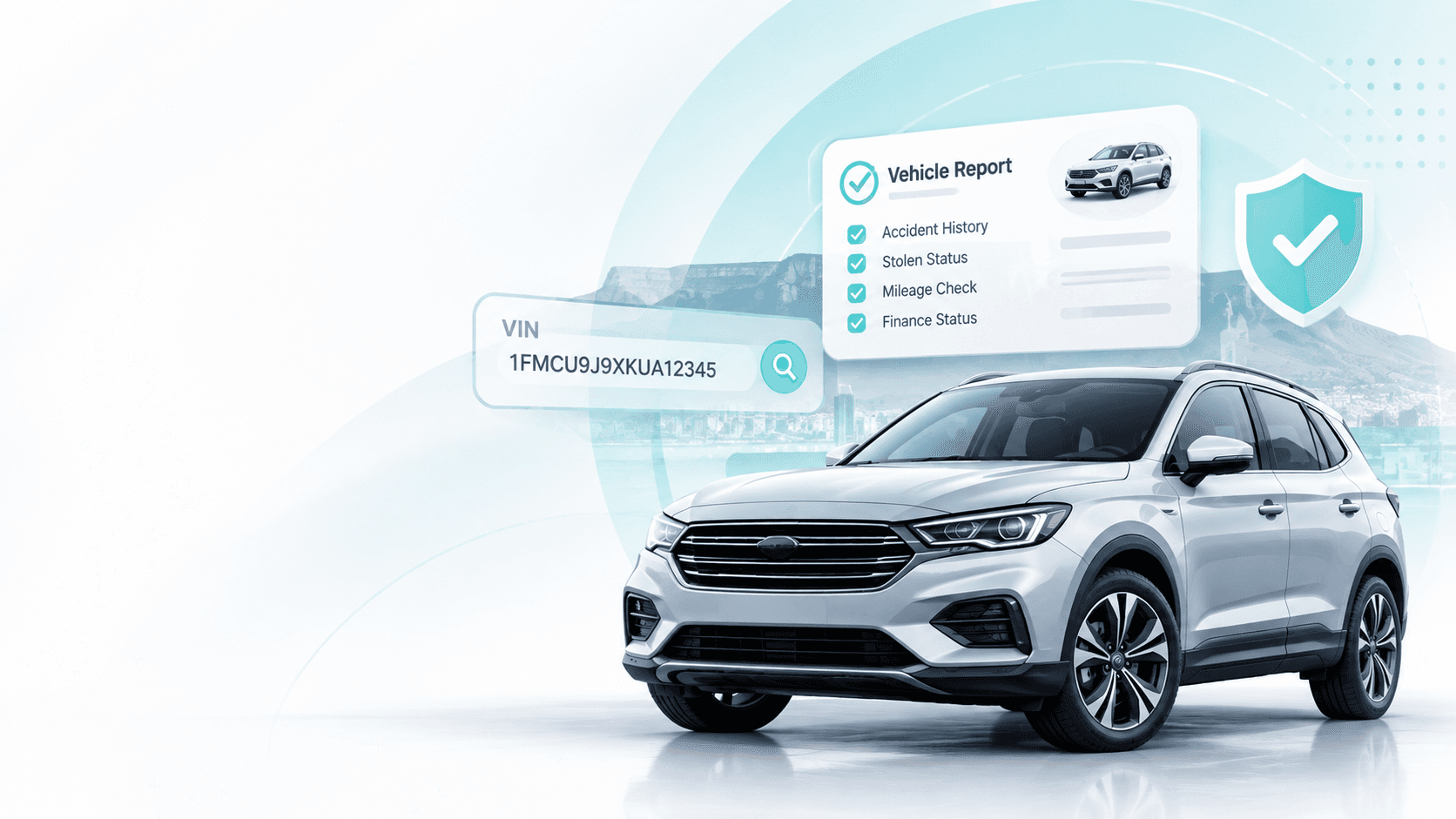
- Run a vehicle check on the VIN before you bid
- Budget for buyer's commission, admin fees and registration on top of your bid
How to buy safely from Marketplace
- Ask for the VIN and registration number first. A real seller will send them.
- Check the car before you travel, for stolen status, finance and accident damage
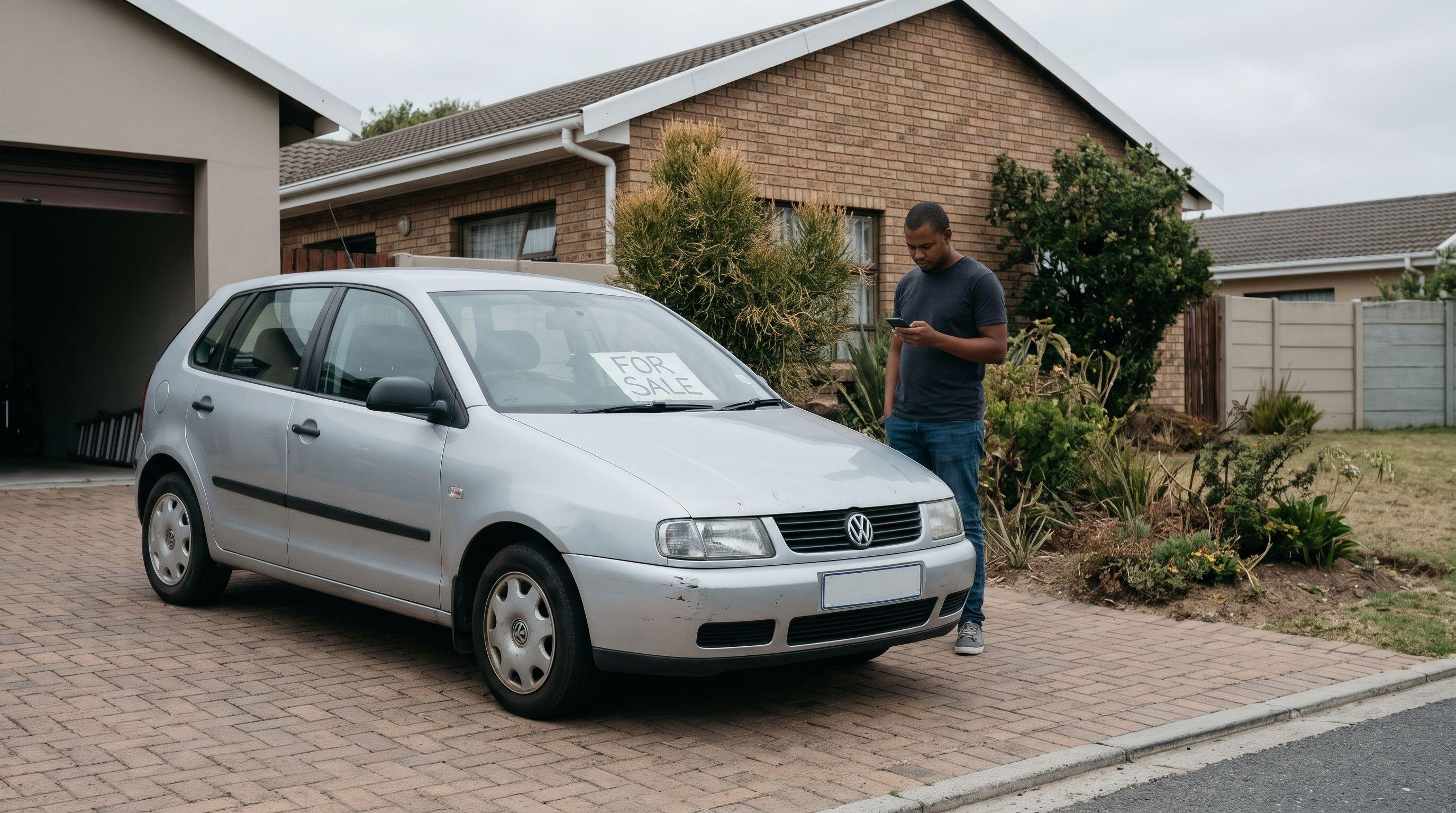
- Meet at the seller's home or at a police station, in daylight
- Match the seller's ID to the registration certificate, and the car's VIN to the papers
- Pay by EFT only once the paperwork is signed. Never pay cash, and never pay a deposit to hold a car.
Got a VIN from an advert? Check it before you go →
If the VIN shows anything strange, read how to check if a car is stolen before you go any further.
Already been scammed?
- Open a case at your nearest police station
- Phone your bank straight away to try to stop or reverse the payment
- Report the profile and the advert to Facebook
- If a bank or auction house was impersonated, tell them too