First, make sure it was stolen
It sounds obvious, but check two things before you phone anyone. Was the car towed? Phone the local traffic department or metro police, especially if you parked somewhere questionable. Is the car financed and behind on payments? Banks do repossess cars, and a quick call to them rules it out.
If neither applies, move fast.
The first hour
- Phone your tracking company. If you have a tracker, this is the first call, before the police. Recovery chances are highest in the first few hours, while the car is still on the move.
- Report it to SAPS. Phone 10111, then go to the nearest police station to open a case. You must report the theft within 24 hours. Take your ID, the registration number, and the VIN and engine number if you have them (they're on your registration certificate). Mention anything that makes the car easy to spot: a dent, roof racks, a sticker on the back window.
- Get the case number. You'll need it for everything from here on: the insurer, the bank and the licensing department.
- Phone your insurer. Most policies say you must report a theft "immediately" or within a set time. Late reporting is one of the most common reasons theft claims run into trouble.
- Phone the bank if the car is financed. The bank is the legal owner and needs to know.
Things people forget
- Your spare keys. The insurer will ask for every key you were given when you bought the car. Find them now. A missing key slows the claim down.
- Anything linked to the car. E-toll tags, fuel cards, garage remotes and your home address on the registration papers. If your gate remote was in the cubby, change the code.
- Your premiums. Don't cancel the insurance or stop the debit order until the claim is settled. Ask the insurer first.
- Your phone apps. If your car has a connected app, check it for a last known location and give it to the police.
How the insurance claim works
The insurer will ask for the case number, your keys, the registration papers and the finance details. An assessor may phone you to go through what happened.
Most insurers wait a few weeks before paying out a theft claim, in case the car is found. Ask yours how long their waiting period is so you can plan around it. If the car is financed, the payout goes to the bank first and you get whatever is left after the settlement.
Your car might turn up somewhere else
Stolen cars in South Africa often get new number plates copied from a legal car of the same make, model and colour. This is called cloning. If you get traffic fines for places you've never been after the theft, give them to the investigating officer. It can help track the car. Read more about cloned cars and how they work.
What happens if SAPS recovers your car
This is where most people get caught off guard. Finding the car is not the end of the process.
When you open a case, the car is flagged as stolen on the police circulation system and its NaTIS record is locked. Until SAPS clears it, you can't renew the licence, transfer it or legally drive it. That's why you shouldn't expect to drive it home on the day it's found.
To get it back:
- Work through your investigating officer. Keep their name and number handy. The car may be held for fingerprints or other forensic checks.
- Take your documents. Your ID, proof of address, the original registration papers (or bank-stamped copies if it's financed), and proof of purchase if the engine has been replaced.
- Never pay a release fee. SAPS does not charge you to release your car. Anyone asking for cash or airtime to "speed things up" is running a scam.
Found before the insurer paid out
The car is still yours. Tell the insurer straight away. They'll assess any damage and handle repairs under your claim, and the theft claim falls away.
Found after the insurer paid out
Once the claim is paid, the car belongs to the insurer. They'll decide what to do with it. A car with little damage is usually repaired and sold. A car that was stripped or badly damaged may be written off and sold as a Code 3 rebuild or for spares. Here's what Code 2, Code 3 and Code 4 mean.
If you'd like the car back, ask the insurer whether that's an option before it goes to auction.
Buying a car that was stolen and recovered
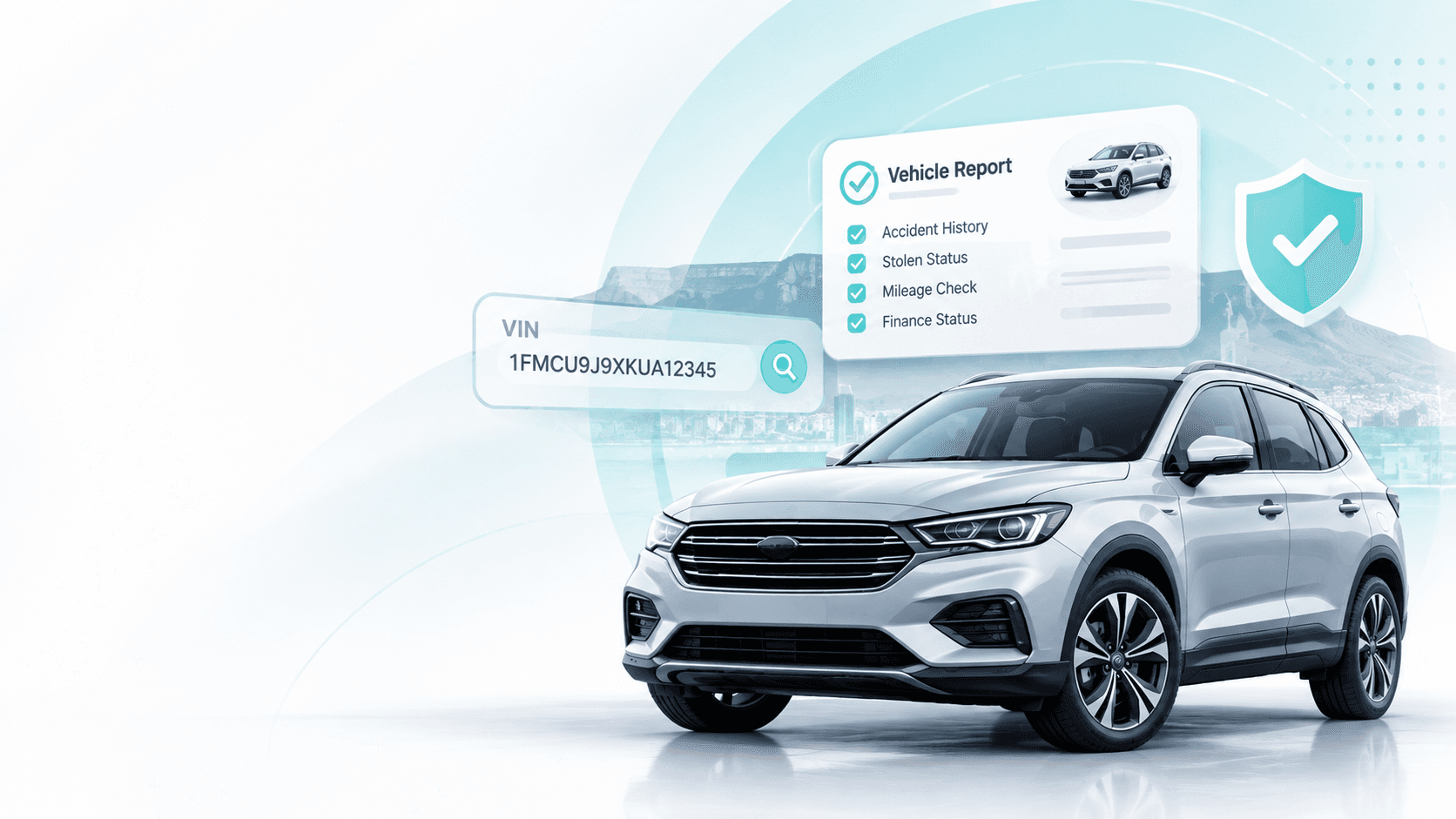
Recovered cars end up back on the market legally, which is fine as long as the paperwork is clean. The risk is a car that was never cleared, or one that has been cloned. Before you pay for any used car, run a check to make sure it isn't still flagged. Here's how to check if a car is stolen.
The short version
- Tracking company first, then SAPS within 24 hours.
- Get the case number and phone your insurer and bank.
- Find every key.
- If the car is found, it needs SAPS clearance before you can drive it, and no one should ask you for money to release it.